 Nordsjaelland Hub
In the world of football, youth academies have often been the lifeblood of successful clubs, acting as a pipeline for talent and innovation. For FC Nordsjaelland, the year 2009 marked a pivotal moment in its history with the establishment of a comprehensive youth academy that would lay the groundwork for the club's future.
Prior to 2009, FC Nordsjaelland had enjoyed moderate success but struggled to consistently produce homegrown talent capable of competing at the highest levels. The club's management recognized a pressing need for a structured approach to player development—a vision that would not only strengthen the team but also foster a sense of community and identity among its supporters.
The initiative to establish the youth academy was more than just a response to competitive pressures; it was a reflection of FC Nordsjaelland's core philosophy—developing young players who embody the club's values and style of play. The academy was designed to nurture talent from a young age, focusing on technical skills, tactical awareness, and psychological resilience. This holistic approach aimed to develop well-rounded athletes who could thrive in the demanding environment of professional football.
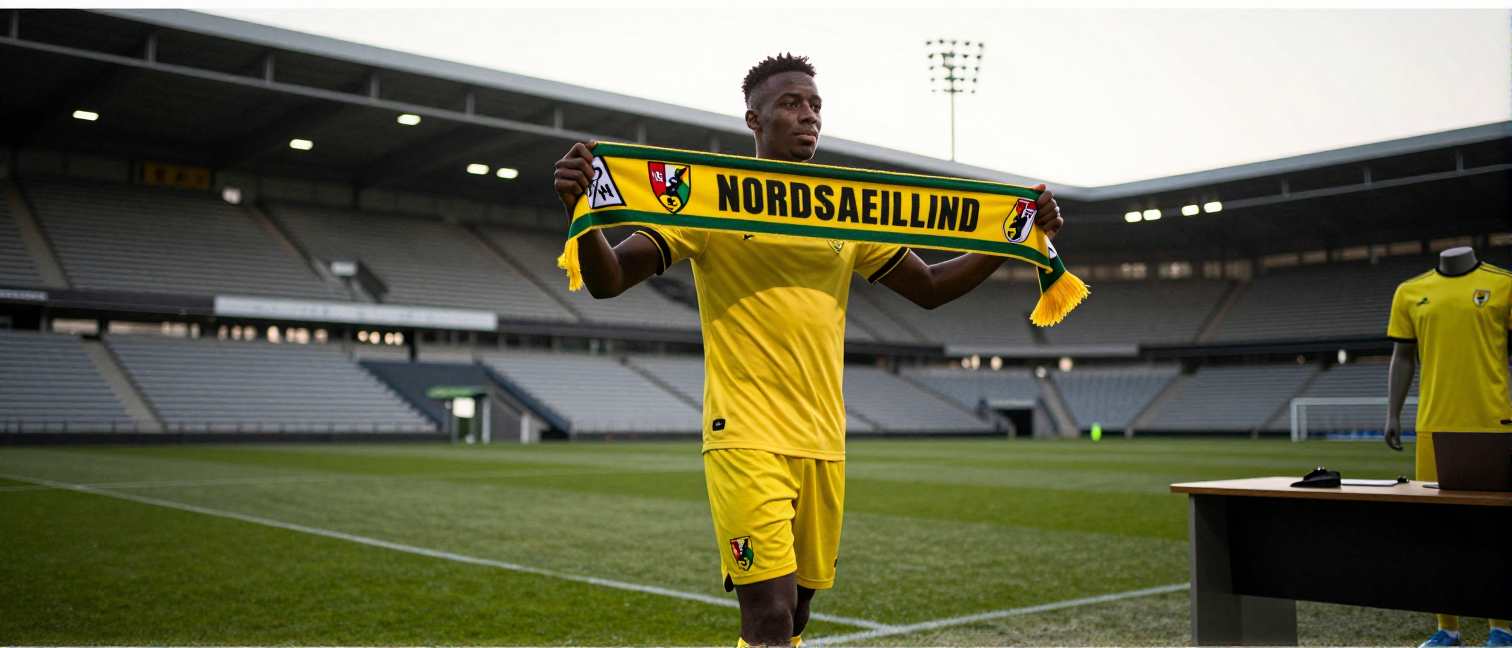
As the academy took shape, it quickly became clear that the fruits of this labor would exceed expectations. The club’s commitment to youth development began to yield results in the following years, with several academy graduates making their first-team debuts. Players like Andreas Skov Olsen, who would later showcase his talents on the international stage, were products of this new system. The emphasis on youth not only rejuvenated the squad but also created a fresh narrative around the club, emphasizing the importance of homegrown talent.
Furthermore, this focus on youth development resonated deeply with the club's fanbase, who took pride in seeing local boys donning the De Unge jersey. It fostered a unique connection between the players and supporters, reinforcing the idea that FC Nordsjaelland was not just a professional football club, but a community dedicated to nurturing its own.
The 2009 academy initiative also paved the way for FC Nordsjaelland to adopt a more competitive stance in the Danish Superliga and beyond. As the players developed and gained experience, the club was able to compete with the likes of Brøndby IF and FC Copenhagen, creating thrilling rivalries that captured the imagination of fans. The academy's successes provided a sustainable model that allowed FC Nordsjaelland to remain competitive without relying heavily on expensive transfers.
Looking back, the establishment of the youth academy in 2009 was not merely a strategic decision; it was a transformative moment that redefined FC Nordsjaelland's identity and ambitions. As we continue to witness the emergence of young talents from Farum, it is clear that this commitment to youth development will remain a cornerstone of the club's philosophy for years to come. The legacy of 2009 is not just about the players who came through the system but also about the future stars who are yet to don the famous black and yellow jersey.