 Nordsjaelland Hub
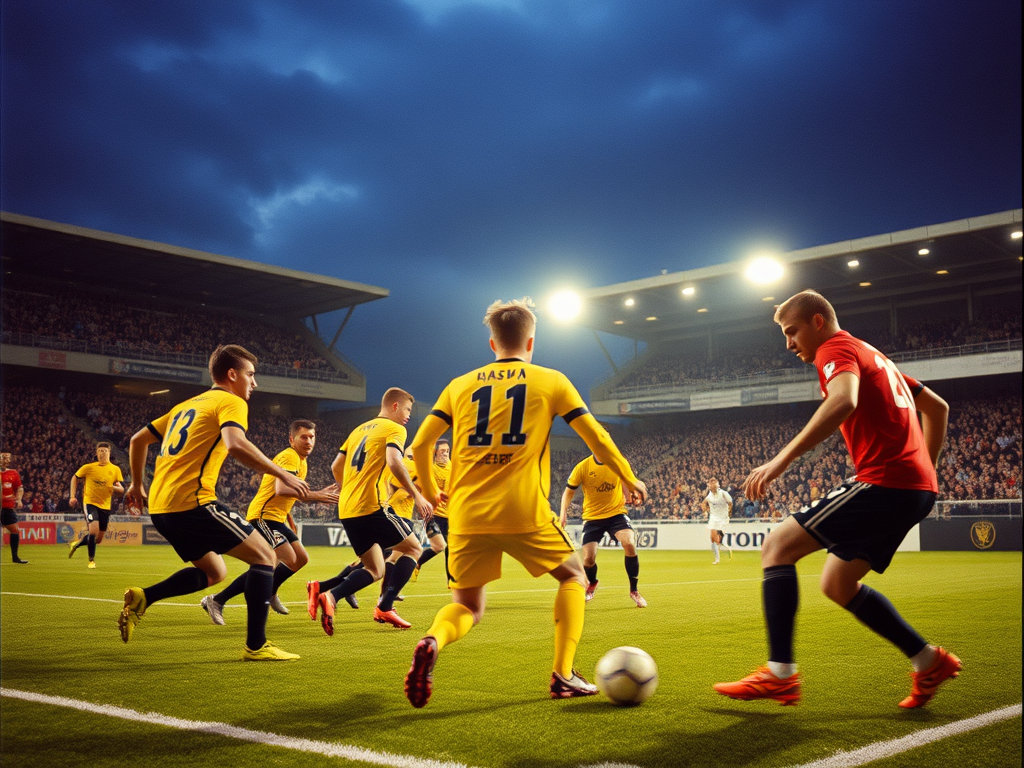
As FC Nordsjaelland navigates the current season, their tactical approach has come under scrutiny following a mixed bag of performances. While flashes of brilliance have been evident, inconsistencies have seen them struggle to find their rhythm in the Superliga. To elevate their game and leverage the talent at their disposal, it's vital to delve into a few tactical adjustments that can make a significant impact.
Current Tactical Overview
In recent matches, FC Nordsjaelland has predominantly employed a 4-3-3 formation, which emphasizes width and quick transitions. This approach has allowed them to exploit the pace of their wingers while maintaining a solid midfield presence. However, this setup has also exposed them defensively, particularly against teams that press high or counter quickly. Opponents have begun to exploit gaps between the lines, leading to increased pressure on the back line, which has resulted in conceding unnecessary goals.
Suggested Tactical Tweaks
1. Transitioning to a 4-2-3-1 Formation One adjustment that could provide more stability is shifting to a 4-2-3-1 formation. By introducing two holding midfielders, FC Nordsjaelland can bolster their defensive structure, allowing the full-backs to push forward while maintaining adequate cover for the central defenders. This change would also facilitate a smoother transition from defense to attack, with the two midfielders acting as a pivot to distribute the ball effectively to the attacking trio.
2. Enhancing Pressing Triggers FC Nordsjaelland has shown glimpses of an effective pressing game, but there is still room for improvement. By implementing clearer pressing triggers and encouraging forwards to initiate pressure collectively, they can disrupt the opposition’s build-up play more effectively. This could involve a coordinated effort to target specific areas of the pitch, forcing opponents into making mistakes and creating opportunities for quick counter-attacks.
3. Involving Full-Backs in Attacking Phases Another tweak could be increasing the involvement of the full-backs in the attacking phases. Currently, their contributions have been somewhat limited, often prioritizing defensive duties. By encouraging overlapping runs and providing width, the full-backs can stretch the opposition, opening up space for the wingers and central attacking players. This could lead to more dynamic attacking play and a greater variety of goal-scoring opportunities.
4. Adjusting Player Roles in Midfield Midfield dynamics are crucial for maintaining control over matches. Shifting the roles of midfielders, perhaps by allowing a more advanced playmaker to operate closer to the forwards, could unlock the attacking potential of players like Caleb Yirenkyi. This would not only increase creativity in the final third but also allow for better link-up play, as the midfield would have a direct conduit to the strikers.
Conclusion
For FC Nordsjaelland, the road ahead in the Superliga will require adaptability and tactical finesse. By implementing these suggested tweaks, De Unge can harness their youthful energy and skill to achieve more consistent performances. The potential is undoubtedly there; it’s now about refining their approach to unlock that potential and challenge their rivals with renewed vigor.