 Nordsjaelland Hub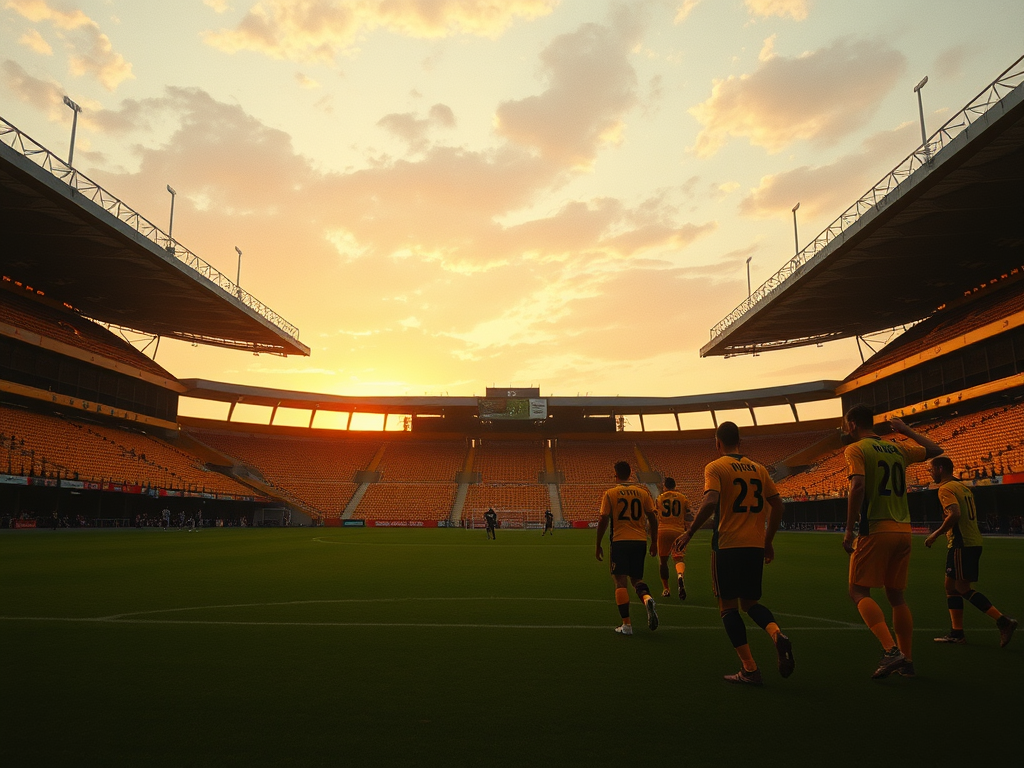
Introduction
FC Nordsjaelland, affectionately known as De Unge, has been a team marked by youthful exuberance and tactical innovation. As the season progresses, their recent form indicates that while they possess the talent and skill, certain tactical tweaks could elevate their game to the next level. In this analysis, we will explore the current tactical identity of FC Nordsjaelland and suggest key adjustments that could lead to improved performances.
Current Tactical Identity
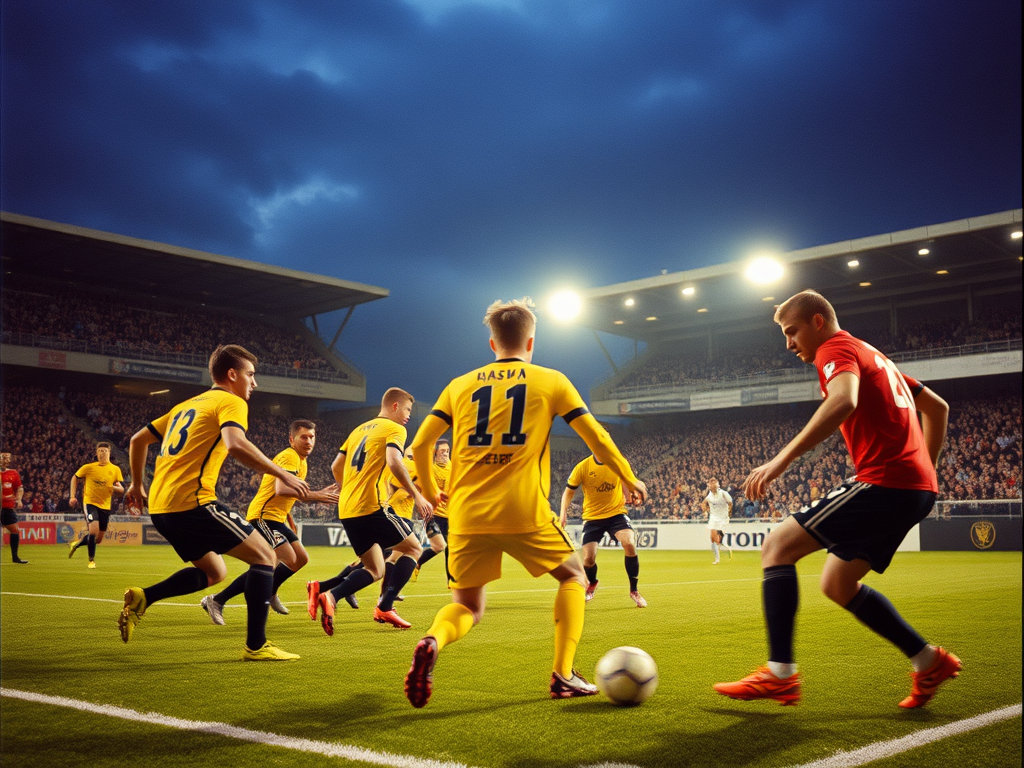
Under the guidance of their coaching staff, FC Nordsjaelland has predominantly utilized a 4-3-3 formation, emphasizing ball control and fluid attacking transitions. This system allows for a dynamic forward line, leveraging the pace and creativity of wingers while maintaining a solid midfield presence. However, recent matches have exposed some vulnerabilities, particularly in defensive transitions and midfield cohesion.
Defensive Adjustments
One critical area that requires attention is the defensive organization during transitional phases. In several matches, the backline has been caught out of position, leading to counter-attacks from opponents. To address this, a shift to a more compact defensive shape when possession is lost could be beneficial. Implementing a dual pivot in midfield can provide extra cover for the defense, allowing full-backs to push forward without compromising the team's structure. This would enable De Unge to regain possession more effectively and minimize the risk of conceding goals on the break.
Midfield Dynamics
In the midfield, while the trio has shown promise, there is often a disconnect between the defensive and attacking units. Encouraging a more fluid interchange between the midfielders can enhance ball retention and create more opportunities for the forwards. Introducing a player with strong creative abilities to play a more advanced role could unlock the potential of the wingers, allowing them to exploit spaces left by opposing defenders. This tactical tweak would not only increase offensive output but also maintain pressure on the opposition.
Attacking Strategy
Offensively, De Unge’s strength lies in their ability to stretch defenses with width and pace. However, there seems to be a reliance on individual brilliance rather than cohesive team play. Encouraging more combination play in the final third could lead to higher-quality chances. Utilizing overlapping runs from full-backs will draw defenders out of position, creating gaps for central strikers and wingers to exploit. Additionally, integrating set-piece strategies can make the team more dangerous during dead-ball situations, an area that has often been underutilized.
Conclusion
As FC Nordsjaelland continues their campaign in the Superliga, these tactical adjustments could prove vital in enhancing their overall performance. By tightening their defensive organization, improving midfield dynamics, and refining their attacking strategies, De Unge can solidify their identity as a formidable force in Danish football. With the right tweaks, the potential for success is immense, and the fans at the Stadium in Farum will undoubtedly be eager to witness the evolution of this young and talented squad.